.jpg)
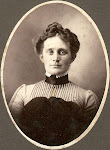

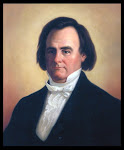

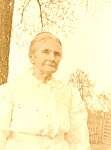
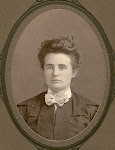
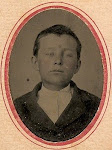
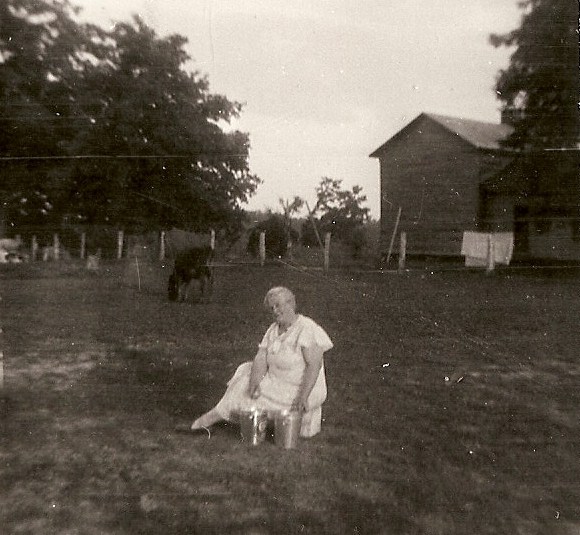
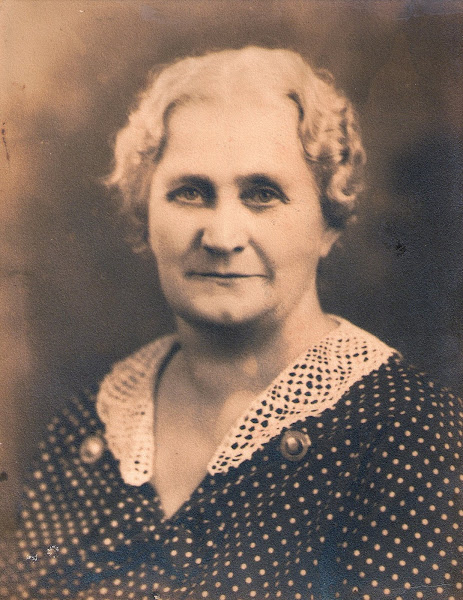
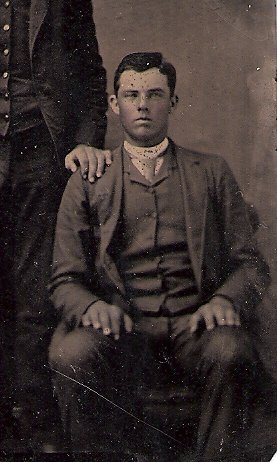
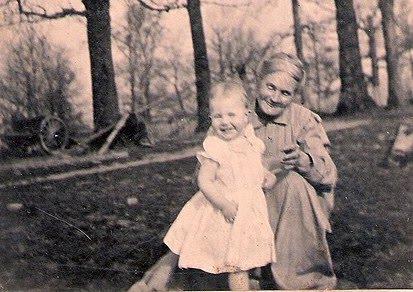
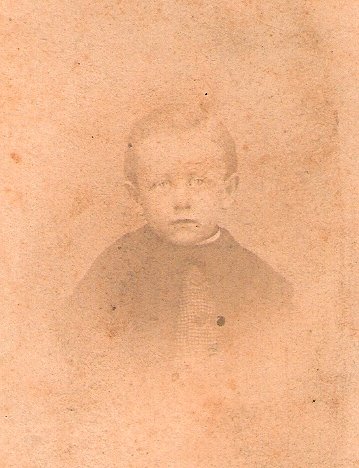
Sarah Catherine Wickliffe (Luckett) (1841-1911)
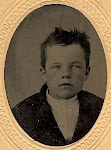
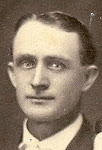
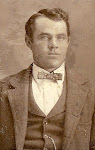
Sarah's children: H.H., Rankin, John III, Nelle, Tilden, and Belle
grandchildren: Mary Catherine Southard, Nell Southard, & John B. Southard Sr.
great grandchildren: John B. Southard Jr. and Elizabeth "Betty" Ann Southard
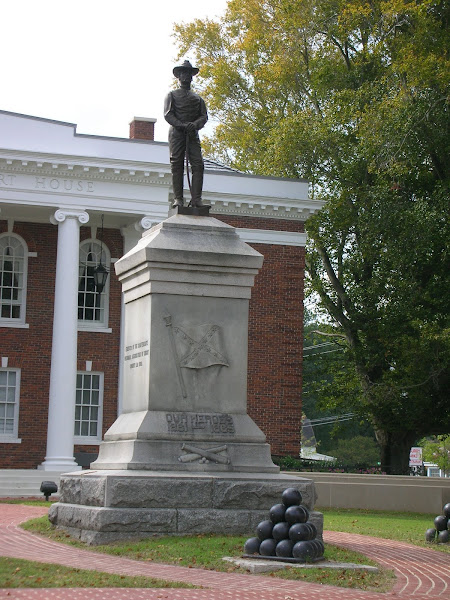
father: John D. Wickliffe mustered out at Gettysburg (Confederate Soldier's marker, "Cemeteries"- Muhlenberg, Co., Vol 4) (1799-1870)
grandchildren: Mary Catherine Southard, Nell Southard, & John B. Southard Sr.
great grandchildren: John B. Southard Jr. and Elizabeth "Betty" Ann Southard
father: John D. Wickliffe mustered out at Gettysburg (Confederate Soldier's marker, "Cemeteries"- Muhlenberg, Co., Vol 4) (1799-1870)
married: February 6, 1831
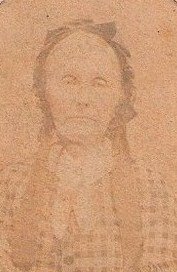
mother: Rachel Oates (1805-1897)
Sarah Catherine's paternal family
John D. Wickliffe mustered out at Gettysburg (Confederate Soldier's marker, "Cemeteries"- Muhlenberg, Co., Vol 4)
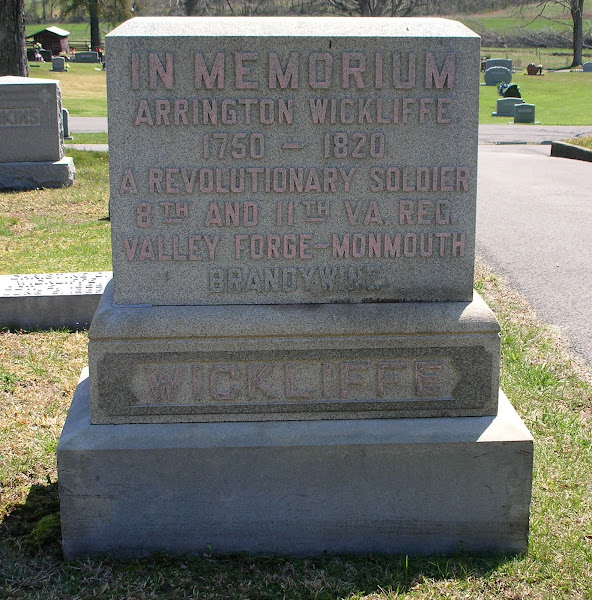
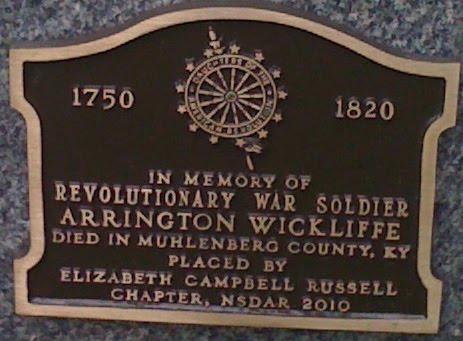
Sarah's grandfather: Arrington Wickliffe (1750, Prince William County, VA-1820, Muhlenberg County, KY)
(1st cousin to Kentucky Governor Charles A. Wickliffe)
married: 1798
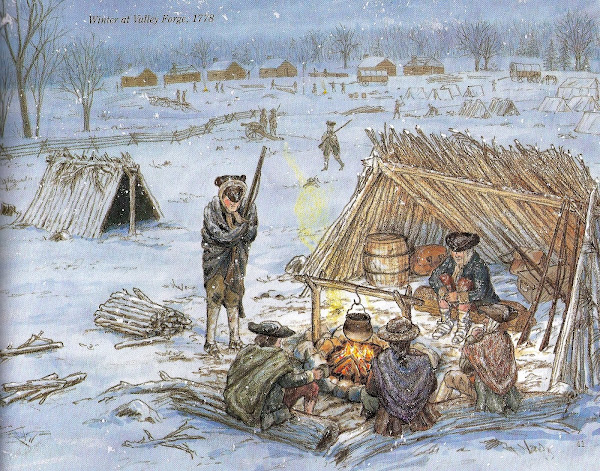
Sarah's grandmother: Catherine Davis (1768-1836) Catherine's father was also a ARW veteran (he was Arrington's commanding officer). Captain Jesse Davis commanded the 8th regiment at Caltimore. They wintered at Valley Forge, crossed the Delaware, and were in the Battles of Long Island, Fort Washington, Trenton, Princeton, Brandywine, Germantown, and Monmouth. Virginia Archives of Fairfax County, Virginia and The Messenger Central City, Muhlenberg County, Kentucky, Thursday, July 1, 1954.
Sarah Catherine's paternal greatparents
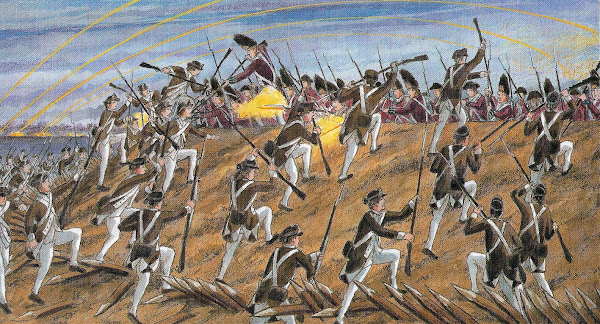
Arrington Wickliffe (Arrington fought in the American Revolution (1775-1783) at Brandyville & Germantown with the 8th Regiment, Valley Forge. reference: "Historical Artifacts": compiled by Agnes S. Harrolson, Muhlenberg County,KY, Filson Historical Society Arrington Wickliffe and his two brothers (Moses and Benjamin) enlisted for three years to fight under Captain Jesse Davis. They marched from Dumphries in Prince William County and joined the 8th Regiment at Caltimore. They wintered at Valley Forge (crossed the Delaware) and were in the Battles of Brandywine, Germantown, and Monmouth. Arrington also fought at Yorktown under Layafette. (Moses & Benjamin died before land grants were awarded in 1833 without marriage or issue.) Virginia Archives of Fairfax County, Virginia and The Messenger Central City, Muhlenberg County, Kentucky, Thursday, July 1, 1954.
Sarah's GGF: John Wickliffe (1720-1790) moved from Virginia to Kentucky with his parents.
Sarah's GGM: Margaret Barnett (1735-1809)
1767 - Daniel Boone began to explore Kentucky.
John Wickliffe
father: Robert Wickliffe (1680-1759) Virginia Colony
mother: Elizabeth Arrington (1701-1791)
Robert Wickliffe
father: David Wickliffe (1624-1690) Virginia Colony
mother: Mary Sisson (1658-1676)
David Wickliffe
father: David Wicklif (1600-1643) England
mother: Jane Evers (1600-1644)
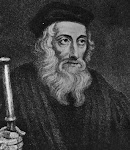
The Wickliffes are traced back to John Wycliffe (1330-December 31, 1384, England). John Wycliffe was in conflict with the Roman Catholic Church for translating a Bible into English. Today, there is a Wycliffe Society whose mission is to translate the Bible into every spoken language. Reference:"History of the Throckmorton and Allied Families" by C. Wickliffe Throckmorton, 1930. #929.2T 531T, Filson Historical Society.
Sarah's maternal family
The Oates
Sarah Catherine Wickliffe (Luckett)
father: John D. Wickliffe (1799-before 1870)
mother: Rachel Oates (1805-1897)
Sarah's maternal greatparents
Rachel Oates
father: Major Jesse Oates (1756-1831) reference: pages 91-94, "History of Muhlenberg County"-Major Jesse Oates fought with Lieutenant Colonel Francis Marion, the Swamp Fox, in South Carolina during the American Revolution (1775-1783). Page 94, "Historical Artifact, Muhlenberg County", at Filson Historical Society)
mother: Zilpah Mason (1756-1849)
-
murder: Rachel's first marriage to Boggess was arranged by her father Arrington & Lemuel when Rachel was 15 years old. Years into the marriage and several children later, Rachel Oates and a slave girl, Eliza, were charged with the gruesome murder of Rachel's 1st husband Lemuel Boggess Sr. The murder involved a hammer driving a stake into Lemuel's head. This raises the question: Did Rachel get involved with John Wickliffe and want Lemuel out of the way? (source: Ruth Boggess Bates/ Ruth grew up in Greenville, KY and heard her parents discuss the murder. Both Rachel Oates and the slave girl were acquitted. Ruth Boggess Bates sent the email through ancestry.com) . . . Kentucky Commonwealth Circuit Court Criminal Cases 1799-1854. Index case #1529 and #1691, 1833 . . . . . . Years later, one of Lemuel's and Rachel's sons (Lemuel Jr) was charged with murder in Muhlenberg County. He escaped trial by running away to Arkansas where he was killed by a posse.
murder: Rachel's first marriage to Boggess was arranged by her father Arrington & Lemuel when Rachel was 15 years old. Years into the marriage and several children later, Rachel Oates and a slave girl, Eliza, were charged with the gruesome murder of Rachel's 1st husband Lemuel Boggess Sr. The murder involved a hammer driving a stake into Lemuel's head. This raises the question: Did Rachel get involved with John Wickliffe and want Lemuel out of the way? (source: Ruth Boggess Bates/ Ruth grew up in Greenville, KY and heard her parents discuss the murder. Both Rachel Oates and the slave girl were acquitted. Ruth Boggess Bates sent the email through ancestry.com) . . . Kentucky Commonwealth Circuit Court Criminal Cases 1799-1854. Index case #1529 and #1691, 1833 . . . . . . Years later, one of Lemuel's and Rachel's sons (Lemuel Jr) was charged with murder in Muhlenberg County. He escaped trial by running away to Arkansas where he was killed by a posse.
1778 - General George Rogers Clark took 150 men + families down the Ohio River by flatboats.
Major Jesse Oates Jr
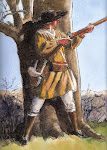
Major Oates served under Lieutenant Colonel Francis Marion, the Swamp Fox, in South Carolina. He fought along side Marion at King's Mountain, Cowpen's Battlefield, and Camden Battlefield
married: Major Jesse Oates & Zilpha Mason united on April 13, 1798
father: Jesse "Jethro" Oates Sr (1732-80, N. Carolina land owner)
father: Jesse "Jethro" Oates Sr (1732-80, N. Carolina land owner)
mother: Artesha King (1736-1807)
Jesse "Jethro" Oates Sr
Established the first printing press in North Carolina,1749. reference: Daughters of the American Revolution, Volume XXXIII, Washington, DC, July 1908, page 1031.
Established the first printing press in North Carolina,1749. reference: Daughters of the American Revolution, Volume XXXIII, Washington, DC, July 1908, page 1031.
father: Joseph Oates (1697-1757, North Carolina)
mother: Elizabeth Perry Wyatt (1702-1798)
Joseph Oates
father: James Oates (1647-1703) Joseph Oates served as a lieutenant in the Colonial Army during the French & Indian War (1754 -1763).
mother: Elizabeth Eivens (1662-1705)
James Oates (1647-1703) was a prominent planter and attorney for colonial Virginia and North Carolina. As a highly educated gentleman, he was called Esquire or Master. He was of such importance that he did not have to sign his name like ordinary people, for he was not what they considered an ordinary person.
A study of old wills leads one to understand the significance of various things we pay no attention to today. When one was important enough to have a coat of arms and a signet ring, it identified him. All of James Oates important letters, deeds, etc. have this signet ring seal on them. There still exists some family silver with this signet (Coat of Arms) on it.
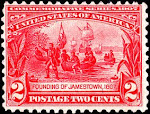
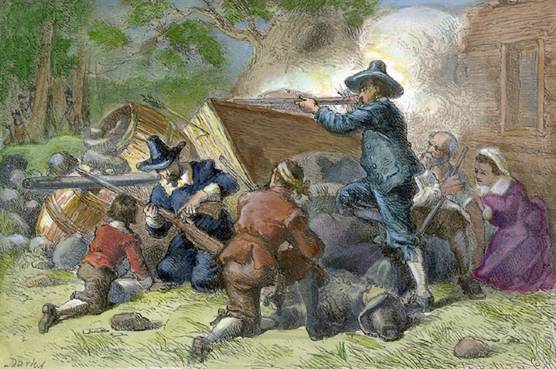
James Oates lived in Warwick County, Virginia. He was a friend of many outstanding men in Virginia, including Nathaniel Bacon. When Governor Berkeley resumed the governorship in 1660, he was determined to destroy every democratic process in the colony. The governor drastically limited suffrage, obtained the election of an entirely subservient assembly and had it sit 14 years without re-election. By these and other measures, Virginia became an oligarchy and the ordinary man became more and more dissatisfied. Their growing discontent came to a head in 1676 when the governor declined to protect the frontier from Indian attacks. The Indians had been attacking the settlers relentlessly. Men of Virginia wilderness and Jamestown Colony had tried in vain to get aid from King Charles. (What they didn't know at the time: King Charles was sending money & supplies to help fight the Indians. Governor Berkeley was pocketing the money and kept or sold the supplies.)
An overseer at the plantation of Nathaniel Bacon was murdered by Indians. After this death, Bacon led an attack on the Indians with a volunteer force. For this Governor Berkeley pronounced Bacon a traitor. In the uprising that followed, Bacon captured Jamestown Colony and burned it down, driving Berkeley across the Chesapeake Bay. This became known as Bacon's Rebellion. (Jamestown never recovered from Bacon's Rebellion. The community moved inland and established Williamsburg.)
Bacon's Rebellion came to an end with the sudden death of Nathaniel Bacon, October 1676, from a fever. Governor Berkeley lost no time. His reprisals were brutal hangings (over 217) and confiscation of property. All this left an indelible stain upon Berkeley's memory.
James Oates and his friends fled Warwick County, Virginia to save their necks. They had to lie low, which meant going to another part of Virginia. James went to Halifax County,
James Oates (1647-1703) was a prominent planter and attorney for colonial Virginia and North Carolina. As a highly educated gentleman, he was called Esquire or Master. He was of such importance that he did not have to sign his name like ordinary people, for he was not what they considered an ordinary person.
A study of old wills leads one to understand the significance of various things we pay no attention to today. When one was important enough to have a coat of arms and a signet ring, it identified him. All of James Oates important letters, deeds, etc. have this signet ring seal on them. There still exists some family silver with this signet (Coat of Arms) on it.
James Oates lived in Warwick County, Virginia. He was a friend of many outstanding men in Virginia, including Nathaniel Bacon. When Governor Berkeley resumed the governorship in 1660, he was determined to destroy every democratic process in the colony. The governor drastically limited suffrage, obtained the election of an entirely subservient assembly and had it sit 14 years without re-election. By these and other measures, Virginia became an oligarchy and the ordinary man became more and more dissatisfied. Their growing discontent came to a head in 1676 when the governor declined to protect the frontier from Indian attacks. The Indians had been attacking the settlers relentlessly. Men of Virginia wilderness and Jamestown Colony had tried in vain to get aid from King Charles. (What they didn't know at the time: King Charles was sending money & supplies to help fight the Indians. Governor Berkeley was pocketing the money and kept or sold the supplies.)
An overseer at the plantation of Nathaniel Bacon was murdered by Indians. After this death, Bacon led an attack on the Indians with a volunteer force. For this Governor Berkeley pronounced Bacon a traitor. In the uprising that followed, Bacon captured Jamestown Colony and burned it down, driving Berkeley across the Chesapeake Bay. This became known as Bacon's Rebellion. (Jamestown never recovered from Bacon's Rebellion. The community moved inland and established Williamsburg.)
Bacon's Rebellion came to an end with the sudden death of Nathaniel Bacon, October 1676, from a fever. Governor Berkeley lost no time. His reprisals were brutal hangings (over 217) and confiscation of property. All this left an indelible stain upon Berkeley's memory.
James Oates and his friends fled Warwick County, Virginia to save their necks. They had to lie low, which meant going to another part of Virginia. James went to Halifax County,
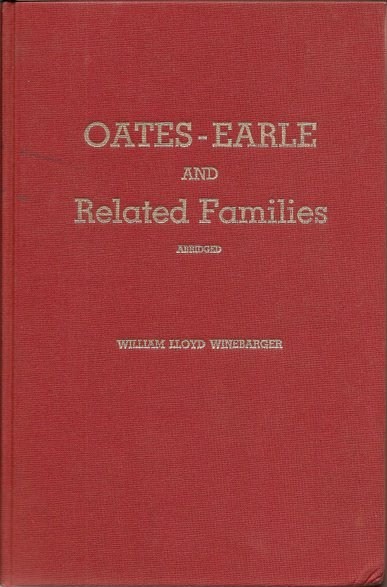
source: Oates-Earle and Related Families by William Lloyd Winebarger 929.2 011 W Filson Historical Society Library and Muhlenberg County Free Public Library The Oates family is also identified with the early colonial period of North Carolina history in Inglis Fletcher's novels.








.jpg)












No comments:
Post a Comment